




Wischnewsky CDJR of Baytown

Blog / 2025 Dodge Charger

Introducing the 2025 Dodge Charger Daytona EV: The Future of Muscle Cars

Introducing the 2025 Dodge Charger Daytona EV: The Future of Muscle Cars

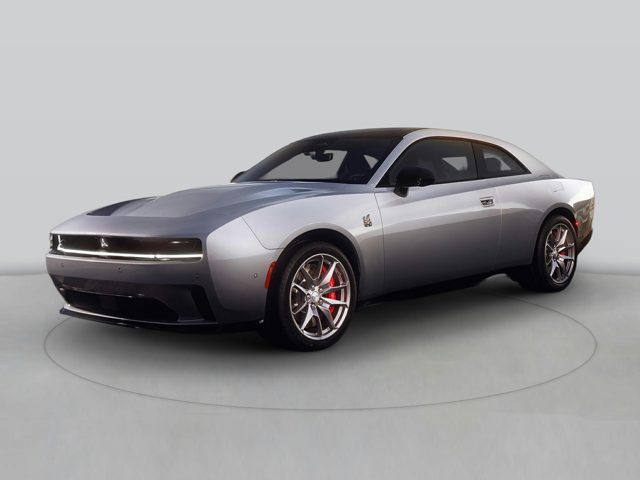
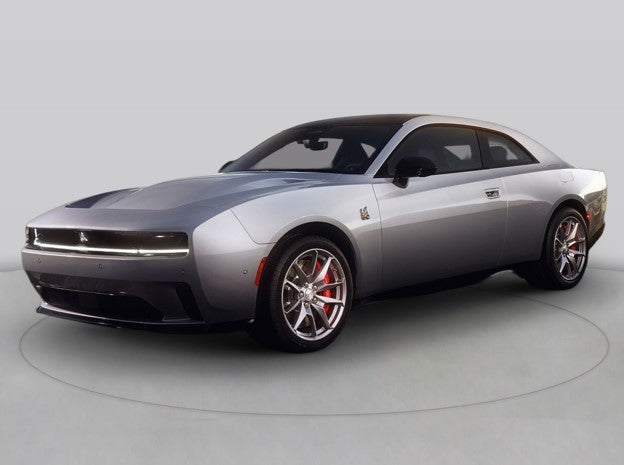
The 2025 Dodge Charger Daytona EV returns for its second year with a new sedan body style option in addition to the existing two-door coupe silhouette. Explore the features of this futuristic electric muscle car, available in either an R/T or Scat Pack version.

Introducing the Updated 2025 Dodge Charger Daytona EV

Power and Performance

The R/T model gets 496 horsepower and 404 pound-feet of torque and the Scat Pack delivers 670 hp and 627 pound-feet of torque. Both have standard all-wheel drive, an eight-speed automatic transmission, and a 15-second power-boost kit that pushes the base powertrain to 516 hp and the upgrade to 710 hp. Optional performance upgrades include adaptive dampers and Brembo brakes. The one-pedal driving system offers three levels of braking regeneration.

Experience a 4.9-second zero-to-60 time and a 134-mph top speed in the R/T, which improves to 3.5 seconds and a 137-mph top speed in the Scat Pack. Both models come with a Fratzonic chambered exhaust that provides the appropriate sounds for each selectable drive mode. Choose from Auto, Eco, Sport, and Wet/Snow. Drift mode and Launch Control are also available for the Daytona EV. You can get this car with 18-inch or 20-inch tires.

Fuel Economy and Range

The Daytona EV can travel up to 308 miles with a full battery charge. It takes less than 30 minutes to charge the battery from 20 to 80% with a Level 2 fast charger. This performance car gets the equivalent of 95 combined city and highway miles per gallon.

Infotainment and Safety Tech

The Daytona EV comes with a 10.3-inch driver info display and a 12.3-inch infotainment screen. You'll have standard navigation, a nine-speaker Alpine stereo with satellite radio, Amazon Alexa, Android Auto, and Apple CarPlay. A 16-inch driver information display, wireless charging, and an 18-speaker Alpine system are also available.

Standard driver assistance features in this sports car include adaptive cruise control, pedestrian detection, drowsy driver detection, traffic sign recognition, and automatic emergency braking. You can add remote app-controlled parking assistance and a surround-view camera.

Interior Design and Features

Both the sedan and coupe draw style inspiration from the 1968 debut Charger model. Each model incorporates comforts like heated power-adjustable front seats. The standard front and rear trunk combine to provide plenty of cargo space, including up to 37 cubic feet in the coupe body style when you fold down the second row.

You can add a head-up display and ambient lighting in selectable colors. A panoramic sunroof and power trunk release are also available.

Get to know the next generation of the classic American muscle car for an efficient electric thrill. Visit Wischnewsky Chrysler Jeep Dodge in Baytown, TX today to test drive the iconic Charger Daytona EV.

Image Via
Posted in:

Related Posts

Jeep Wrangler Dealer in Baytown

Jeep Wrangler vs. Jeep Gladiator: Which One Fits Your Life?

If you've been shopping for a capable, adventure-ready vehicle, chances are you've landed on 2 standout options: the Jeep Wrangler vs. Jeep Gladiator. Both share legendary Jeep DNA, off-road credibility, and that unmistakable open-air personality—but they’re definitely built for different kinds of drivers. For the wild-at-heart drivers of Baytown, Texas, this breakdown will help you figure out which one belongs in your driveway. What Makes the Jeep Wrangler a Classic The 2026 Jeep Wrangler is America's best-selling open-air vehicle, and it's easy to see why. It earns the Trail Rated® badge through serious off-road engineering, featuring front and rear solid axles and a widebody frame that's ready for rugged terrain. It also carries the J.D. Power ALG Best Residual Value Among Compact SUVs award for 2026, which is worth keeping in mind if long-term value matters to you. The Wrangler is centered around freedom and flexibility. Quick-release door hinges let you strip it down fast, and a wide range of roof options lets you soak in as much open sky as you want. The available Sky One-Touch® roof that lets you transition from commuter to adventurer with the push of a button, and it’s highly versatile to your everyday life. Add available Mopar® rock rails, winches, steel bumpers, and suspension upgrades, and this Jeep SUV transforms into exactly the rig you need for weekend trails. In the Jeep SUV vs. pickup comparison, the Wrangler shines for drivers who want a nimble, highly customizable vehicle that can handle tight technical trails without needing a truck bed. What Makes the Jeep Gladiator Worth Considering The Jeep Gladiator takes everything that makes the Wrangler great and adds a 5’ midsize pickup truck bed to the equation. That's the fundamental difference in the Jeep Wrangler vs. Jeep Gladiator conversation—if you need to haul gear up to 7,700 lbs., pack in up to 1,725 lbs. of equipment, or stock up on project materials when you’re not off-roading, the Gladiator answers that call in a way the Wrangler simply can't. The Gladiator shares the Wrangler's open-air design, which means you still get removable doors and tops. It also carries Trail Rated® capability of its own, so you're not giving up much in terms of off-road performance. What you gain is real truck utility that works just as well on the jobsite as it does on the trail. For Baytown, TX drivers who haul kayaks, landscaping supplies, or tools for work, the Gladiator's bed adds a layer of practical versatility that makes it a compelling choice. Capability and Technology: How They Stack Up Both vehicles come loaded with off-road tech and modern infotainment. The Wrangler features a 12.3” Uconnect® touchscreen system with available connected navigation, and is described as the most technologically advanced Wrangler ever, with adaptive safety and security features designed for both on- and off-road use. The Gladiator follows a similar tech blueprint with its shared platform. Where they differ is in how that capability is delivered. The Wrangler's shorter wheelbase makes it more maneuverable on tight rock trails and steep inclines. The Gladiator's longer frame, needed to accommodate the truck bed, gives it more stability on highway driving and better load capacity—a real advantage in the Jeep SUV vs. pickup comparison for drivers who split time between work and weekend adventures. Which Jeep Is Right for You? The Jeep Wrangler vs. Jeep Gladiator decision really comes down to one question: do you need a truck bed? If the answer is no, the Wrangler's lighter footprint, deep customization options, and iconic SUV personality make it a hard choice to beat. If hauling capability matters as much as off-road performance, the Gladiator gives you both without forcing you to compromise. Either way, both vehicles are built to handle whatever adventure looks like for you. Stop by and see the full lineup at Wischnewsky Dodge Jeep Ram of Baytown, proudly serving drivers throughout Baytown, TX, and find the Jeep that matches your life.

Mopar Parts Service

Mopar® Parts vs. Aftermarket Parts: Why the Parts You Choose Matter More Than You Think

When your Chrysler, Dodge, Jeep, or RAM vehicle needs a replacement part, you have 2 main paths: genuine Mopar® parts or aftermarket alternatives. The choice between Mopar® vs. aftermarket parts isn't always obvious, but it's one that can affect how your vehicle performs, how long it lasts, and even whether your warranty stays intact. Baytown, Texas drivers can make the right decision if they’re informed of the differences. We can help. What Are Mopar® Parts? Mopar® is the official parts, service, and customer care brand for Stellantis vehicles, including Chrysler, Dodge, Jeep, and RAM. When you choose Mopar® parts, you're getting components that were engineered specifically for your vehicle's make, model, and year. These aren't generic solutions—they're designed to meet the exact specifications your vehicle was built around. Genuine Jeep RAM parts benefits start with fit and function. Because Mopar® parts are built to factory standards, they integrate seamlessly with your vehicle's existing systems, from the engine to the suspension to the electrical components. What Are Aftermarket Parts? Aftermarket parts are manufactured by 3 rd -party companies that aren’t affiliated with the original vehicle manufacturer. They're widely available and are often marketed as a cost-effective alternative to OEM components. While some aftermarket parts can perform adequately, quality varies significantly from one manufacturer to another. A part that looks identical to the original may be made from different materials or built to looser tolerances, which can lead to fit issues, premature wear, or unexpected failures. Mopar® Parts vs. Aftermarket Parts: A Closer Look There’s a few key differences between Mopar® and aftermarket parts. Mopar® parts come backed by a limited warranty, giving you added peace of mind. Aftermarket parts may carry their own warranties, but coverage and reliability can differ widely. Mopar® components are also tested to meet Stellantis quality standards, meaning they've gone through the same rigorous validation process as the parts originally installed on your vehicle. Another consideration is your vehicle's existing warranty. Using non-OEM parts for certain repairs could potentially affect your warranty coverage, depending on the repair and the component involved. Genuine Jeep RAM parts benefits include the assurance that you're keeping your vehicle in compliance with manufacturer expectations. Which Parts Are Right for Your Vehicle? For drivers who want reliability and long-term performance, Mopar® parts are generally the stronger choice—especially for critical systems like brakes, engine components, steering, and suspension. These are areas where precision matters, and where an ill-fitting part could create safety or performance concerns. For lower-stakes applications, some vehicle owners may feel comfortable exploring aftermarket options. However, it's always worth talking to a trusted service professional before making that call. When in doubt, the peace of mind that comes with genuine parts is hard to put a value on. Find Genuine Mopar® Parts in Baytown, TX Drivers in Baytown, TX looking for quality Mopar® parts vs aftermarket parts don't have to search far. Wischnewsky Dodge Jeep Ram of Baytown carries genuine Mopar® components for Chrysler, Dodge, Jeep, and Ram vehicles and has a knowledgeable team ready to help you find exactly what your vehicle needs. Visit us to learn more about available parts and services, or stop by and speak with a parts specialist who can point you in the right direction. The Bottom Line on Mopar® Parts vs Aftermarket Parts Choosing between Mopar® parts vs. aftermarket parts comes down to priorities. If you value fit, reliability, warranty protection, and the genuine Jeep RAM parts benefits that come with factory-engineered components, Mopar® is a smart investment in your vehicle's future. Your Chrysler, Dodge, Jeep, or Ram was built with precision—it deserves parts that match that standard.

Jeep Lease vs Finance

Jeep Lease vs. Finance: Which Option Is Right for You?

Whether you're eyeing a rugged 2026 Jeep Wrangler or the spacious Grand Cherokee, one of the first big decisions you'll face is how to pay for it. The Jeep lease vs. finance conversation is one that comes up constantly, and for good reason—both paths have real advantages depending on your situation. For drivers in Baytown, Texas, and across the east Houston area, understanding these two options can save you money and keep you in a vehicle you actually love. Understanding How Jeep Leasing Works When you lease a Jeep, you're essentially paying for the portion of the vehicle you use over a set period, typically 2 to 3 years. Your monthly payment is generally lower than a traditional loan because you're not paying for the full value of the vehicle. At the end of your lease term, you return the Jeep and have the option to walk away or transition into something new. Leasing tends to work well for drivers who prefer driving a new Jeep every few years, want to take advantage of the latest technology and safety features, and don't put excessive miles on their vehicle each year. It's worth noting that most leases come with annual mileage limits, and going over those limits can result in additional fees at lease end. Understanding How Jeep Financing Works Financing a Jeep means taking out a loan, either through a lender or a program like Stellantis Financial Services, and paying it off over time. Once the loan is paid in full, the vehicle is yours with no more monthly payments. This option tends to make more sense for drivers who plan to keep their Jeep for many years, want to customize it without restriction, or drive well above average miles each year. When you own your Jeep outright, you also have flexibility that leasing doesn't offer. You can sell it, trade it in, or hold onto it as long as you'd like. For many buyers, that sense of ownership and long-term value is worth the higher monthly payments that typically come with financing. Comparing the Real Costs of Each Option On the surface, leasing looks more affordable—and it often is on a month-to-month basis. But over the long run, financing can cost less if you keep the vehicle beyond the loan payoff period. The question of should I lease or buy a Jeep often comes down to how you plan to use the vehicle and how long you want to commit to it. Current Jeep offers, like 0% APR financing on select 2026 Wrangler models through Stellantis Financial Services can make financing especially attractive when incentives are strong. On the other hand, lease deals can bring your monthly cost down significantly, particularly on popular models like the Grand Cherokee or Gladiator. Which Option Fits Your Lifestyle? There's no single right answer when it comes to Jeep lease vs. finance—it really depends on your priorities. If you value low monthly payments, enjoy driving a new model every few years, and don't plan to put heavy miles on the vehicle, leasing is worth a close look. If you want to build equity, drive without mileage restrictions, and keep your Jeep for the long haul, financing is likely the stronger move. If you’re a driver in the Baytown area who’s asking yourself if you should lease or buy a Jeep, you’d benefit from sitting down with a knowledgeable team that can walk through the numbers, based on your specific budget and driving habits. Visit Wischnewsky Dodge Jeep Ram to Explore Your Options Ready to figure out the best path for your next Jeep? The team at Wischnewsky Dodge Jeep Ram of Baytown, Texas is here to help you compare Jeep lease vs finance options side by side. Stop by or visit us to browse inventory, review current offers, and find the deal that makes the most sense for you.