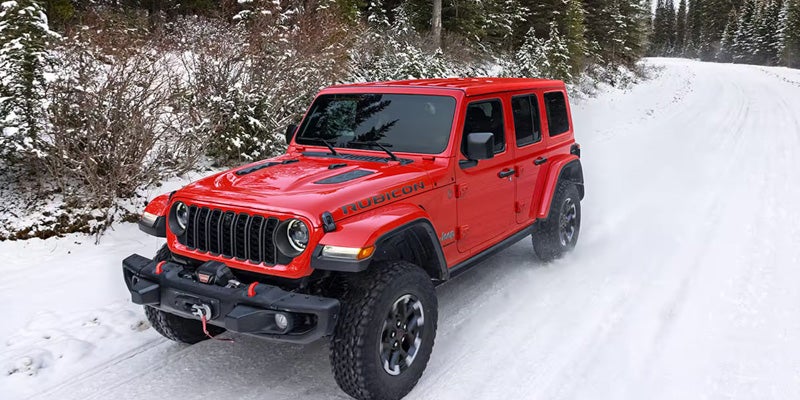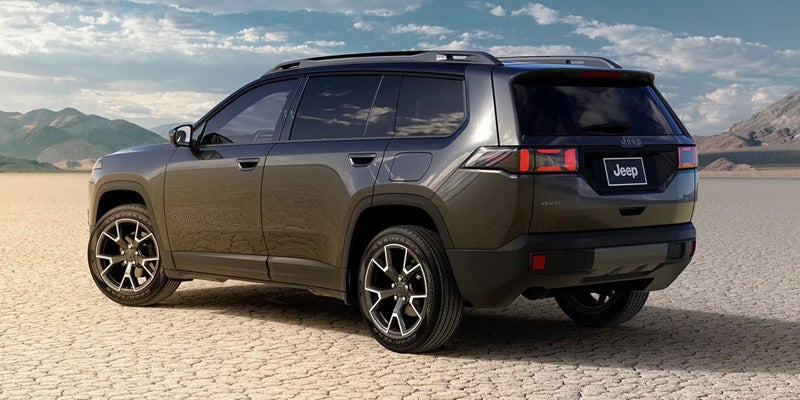






Whether you're eyeing a rugged 2026 Jeep Wrangler or the spacious Grand Cherokee, one of the first big decisions you'll face is how to pay for it. The Jeep lease vs. finance conversation is one that comes up constantly, and for good reason—both paths have real advantages depending on your situation. For drivers in Baytown, Texas, and across the east Houston area, understanding these two options can save you money and keep you in a vehicle you actually love.
Understanding How Jeep Leasing Works
When you lease a Jeep, you're essentially paying for the portion of the vehicle you use over a set period, typically 2 to 3 years. Your monthly payment is generally lower than a traditional loan because you're not paying for the full value of the vehicle. At the end of your lease term, you return the Jeep and have the option to walk away or transition into something new.
Leasing tends to work well for drivers who prefer driving a new Jeep every few years, want to take advantage of the latest technology and safety features, and don't put excessive miles on their vehicle each year. It's worth noting that most leases come with annual mileage limits, and going over those limits can result in additional fees at lease end.
Understanding How Jeep Financing Works
Financing a Jeep means taking out a loan, either through a lender or a program like Stellantis Financial Services, and paying it off over time. Once the loan is paid in full, the vehicle is yours with no more monthly payments. This option tends to make more sense for drivers who plan to keep their Jeep for many years, want to customize it without restriction, or drive well above average miles each year.
When you own your Jeep outright, you also have flexibility that leasing doesn't offer. You can sell it, trade it in, or hold onto it as long as you'd like. For many buyers, that sense of ownership and long-term value is worth the higher monthly payments that typically come with financing.
Comparing the Real Costs of Each Option
On the surface, leasing looks more affordable—and it often is on a month-to-month basis. But over the long run, financing can cost less if you keep the vehicle beyond the loan payoff period. The question of should I lease or buy a Jeep often comes down to how you plan to use the vehicle and how long you want to commit to it.
Current Jeep offers, like 0% APR financing on select 2026 Wrangler models through Stellantis Financial Services can make financing especially attractive when incentives are strong. On the other hand, lease deals can bring your monthly cost down significantly, particularly on popular models like the Grand Cherokee or Gladiator.
Which Option Fits Your Lifestyle?
There's no single right answer when it comes to Jeep lease vs. finance—it really depends on your priorities. If you value low monthly payments, enjoy driving a new model every few years, and don't plan to put heavy miles on the vehicle, leasing is worth a close look. If you want to build equity, drive without mileage restrictions, and keep your Jeep for the long haul, financing is likely the stronger move. If you’re a driver in the Baytown area who’s asking yourself if you should lease or buy a Jeep, you’d benefit from sitting down with a knowledgeable team that can walk through the numbers, based on your specific budget and driving habits.
Visit Wischnewsky Dodge Jeep Ram to Explore Your Options
Ready to figure out the best path for your next Jeep? The team at Wischnewsky Dodge Jeep Ram of Baytown, Texas is here to help you compare Jeep lease vs finance options side by side. Stop by or visit us to browse inventory, review current offers, and find the deal that makes the most sense for you.